

Choosing a French Door Threshold Replacement
Thresholds fill in gaps at the bottoms of doors and provide protection against water, draughts, and bugs all through the all the time. A lowered threshold also provides the safety of pushchairs and wheelchairs and more seamlessly connects interior and exterior spaces.
It is important to know the different options when advising customers about their French door threshold choices.
Weathered
The threshold of an exterior door is a crucial feature of any door. It provides protection from the elements as well as a seamless transition from indoor to outdoor space. It is crucial to strike the right balance between security and aesthetics when selecting the threshold for an exterior door system. Alongside being a necessity to keep the home weatherproof thresholds play an essential role in user safety by preventing tripping, and restricting access to people who have mobility problems or wheelchairs. As look here there are many thresholds to choose from that allow customers to pick the best one for their home.
A weathered threshold provides great weather protection for doors on the outside. It also creates a solid wall that keeps out water as well as wind and draughts. This kind threshold is set into the floor and has a 14mm rise. This helps reduce the risk of tripping and provides an effective seal against the weather. Weathered thresholds are recommended for all external doors because they provide higher levels of weatherproofing than unweathered alternatives. The higher height of the thresholds that are weathered can make them unsuitable for some users, particularly those who use wheelchairs or pushchairs/prams.
Unweathered thresholds tend to be lower in height. A lot of them are just millimetres off of the ground. This means they are less prone to cause dangers for tripping. They also provide an easier transition between outdoor and indoor spaces, helping to connect the two in an open and connected way. They might not provide the same levels of weatherproofing as a weathered option however they are a great choice for homeowners looking to enhance the look of their home without sacrificing functionality or security.
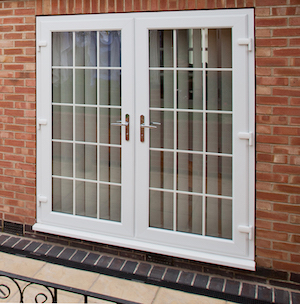
If you plan to replace your French doors or they are currently fitted with a threshold that is not weathered, installing a new threshold might be a DIY project. It will help reduce the unevenness of the gap at bottom of doors and guard against water ingress and drafts. The old threshold needs to be removed before a new one is installed on an existing sill. To take off the old sill, put an aluminum bar between it and the subsill. Carefully pry up the middle section. If the ends of your threshold are nailed to the subsill, you can use a hammer to pull them away from the jambs. After the threshold is removed, clean away any residual mortar and sand the area to a smooth finish. It is recommended that you spray an expanding foam sealant under the threshold prior to installing it. This will keep it in place and fill in any air gaps.